
Introduction
In the evolving landscape of reproductive healthcare, laboratories must meet the highest standards of precision, hygiene, and efficiency. One of the most effective ways to achieve this is through Andrology Room Design using modular concepts. Modular solutions have transformed how fertility labs are built and operated, offering flexibility and performance that traditional setups often lack. Companies like Altus Airflow specialize in delivering advanced modular environments that enhance both operational efficiency and diagnostic accuracy.
Understanding Modular Andrology Room Design
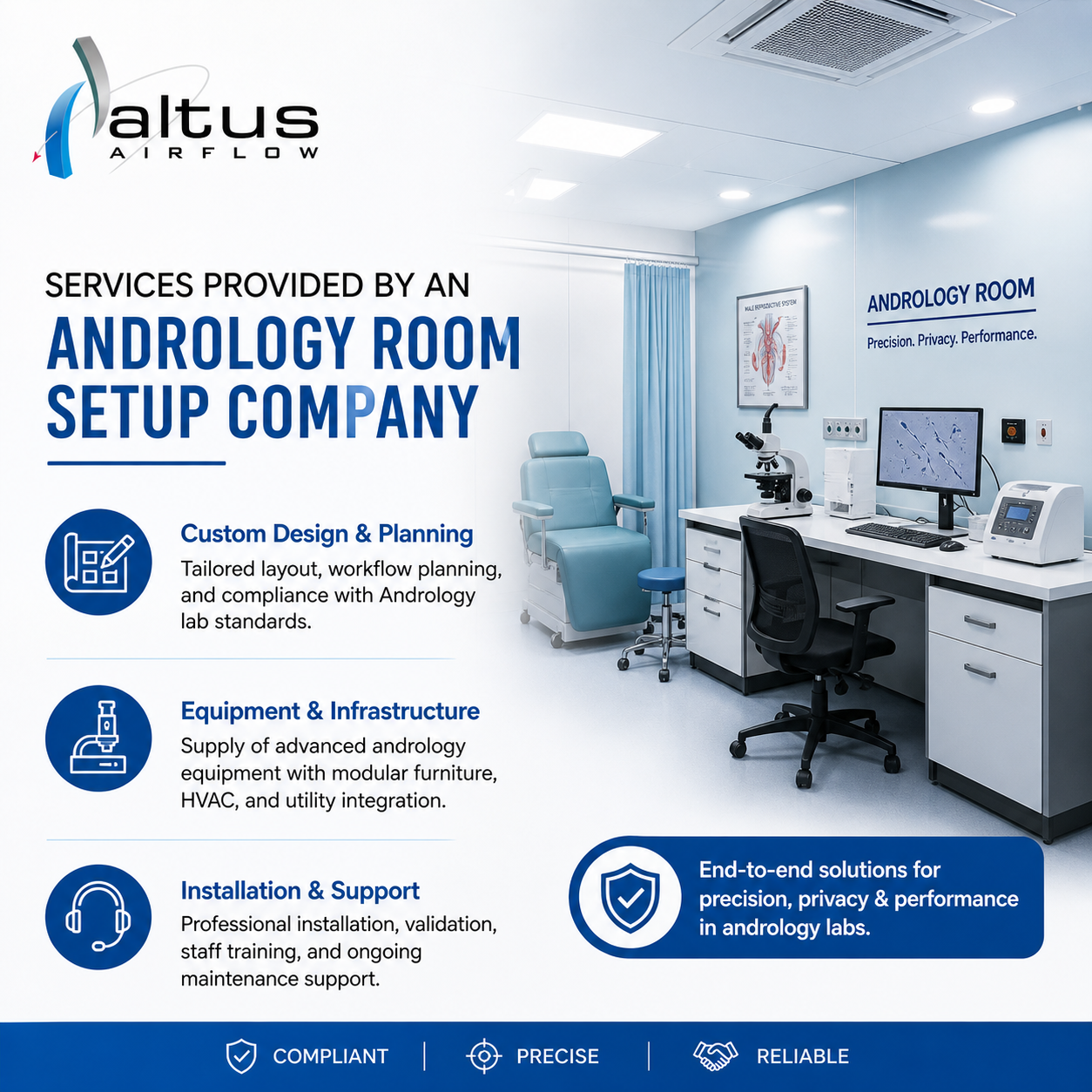
Modular design refers to the use of prefabricated panels and integrated systems to construct laboratory environments. Unlike traditional construction, modular setups are:
Faster to install
Easier to maintain
Highly customizable
A modular Andrology Room Design ensures that every element—from airflow to layout—is optimized for laboratory performance.
Why Modular Design Is Gaining Popularity
Healthcare facilities are increasingly adopting modular designs due to their ability to:
Meet strict regulatory standards
Adapt to changing requirements
Reduce construction time and costs
This approach is especially beneficial in specialized labs like andrology rooms, where precision and control are critical.
Key Benefits of Modular Andrology Room Design
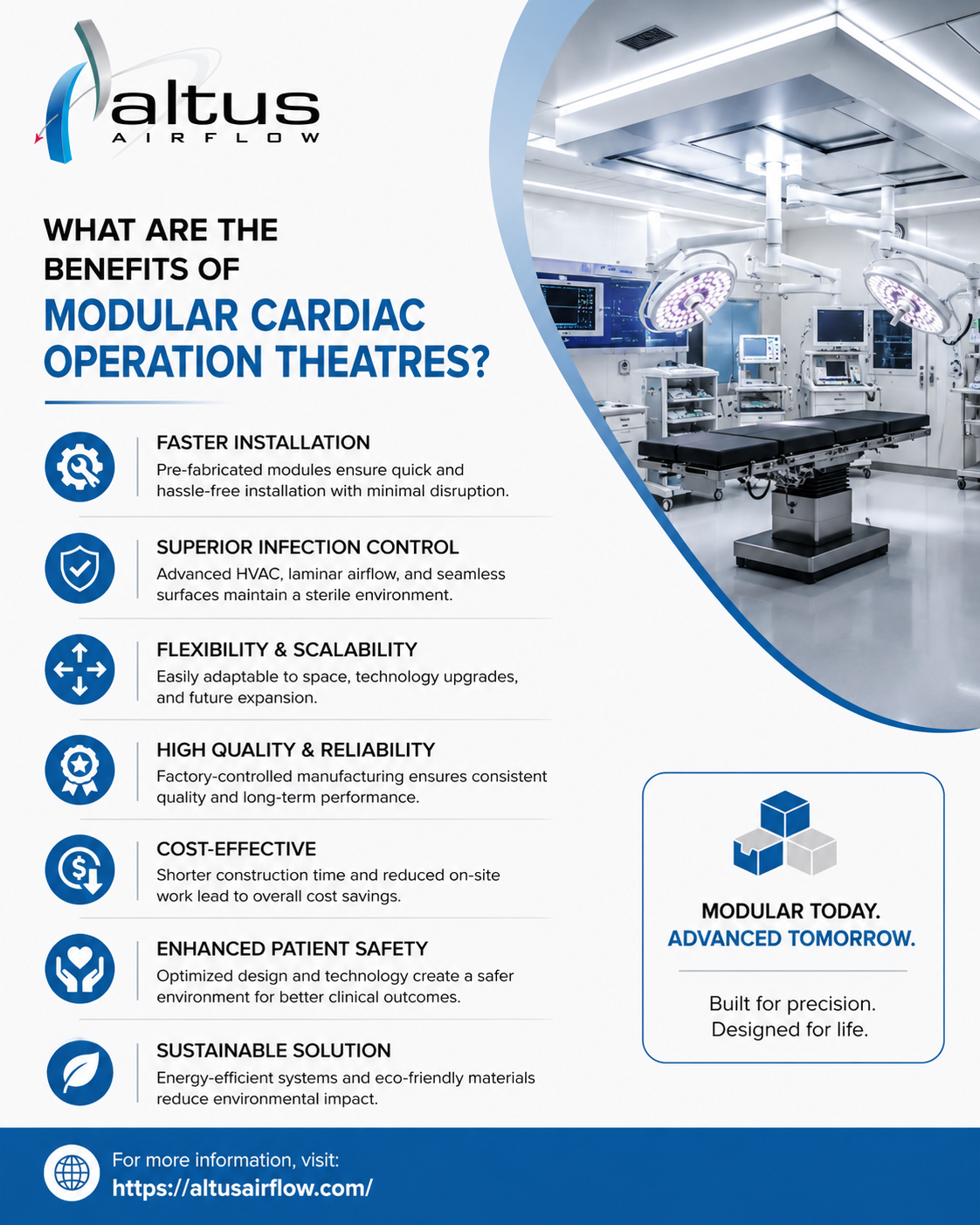
1. Enhanced Infection Control
One of the primary advantages of modular design is improved hygiene. Features include:
Seamless wall panels
Non-porous surfaces
Controlled airflow systems
These elements minimize contamination risks and maintain a sterile environment.
2. Faster Installation and Setup
Modular systems are prefabricated, allowing for:
Quick assembly on-site
Reduced construction time
Minimal disruption to existing operations
This is particularly useful for clinics looking to expand or upgrade quickly.
3. Flexibility and Customization
Modular designs can be tailored to specific needs, including:
Lab size and layout
Equipment requirements
Workflow preferences
This flexibility ensures that the lab meets both current and future demands.
4. Improved Workflow Efficiency
A well-planned modular lab optimizes:
Movement of staff
Placement of equipment
Separation of clean and non-clean areas
This leads to faster processes and reduced errors.
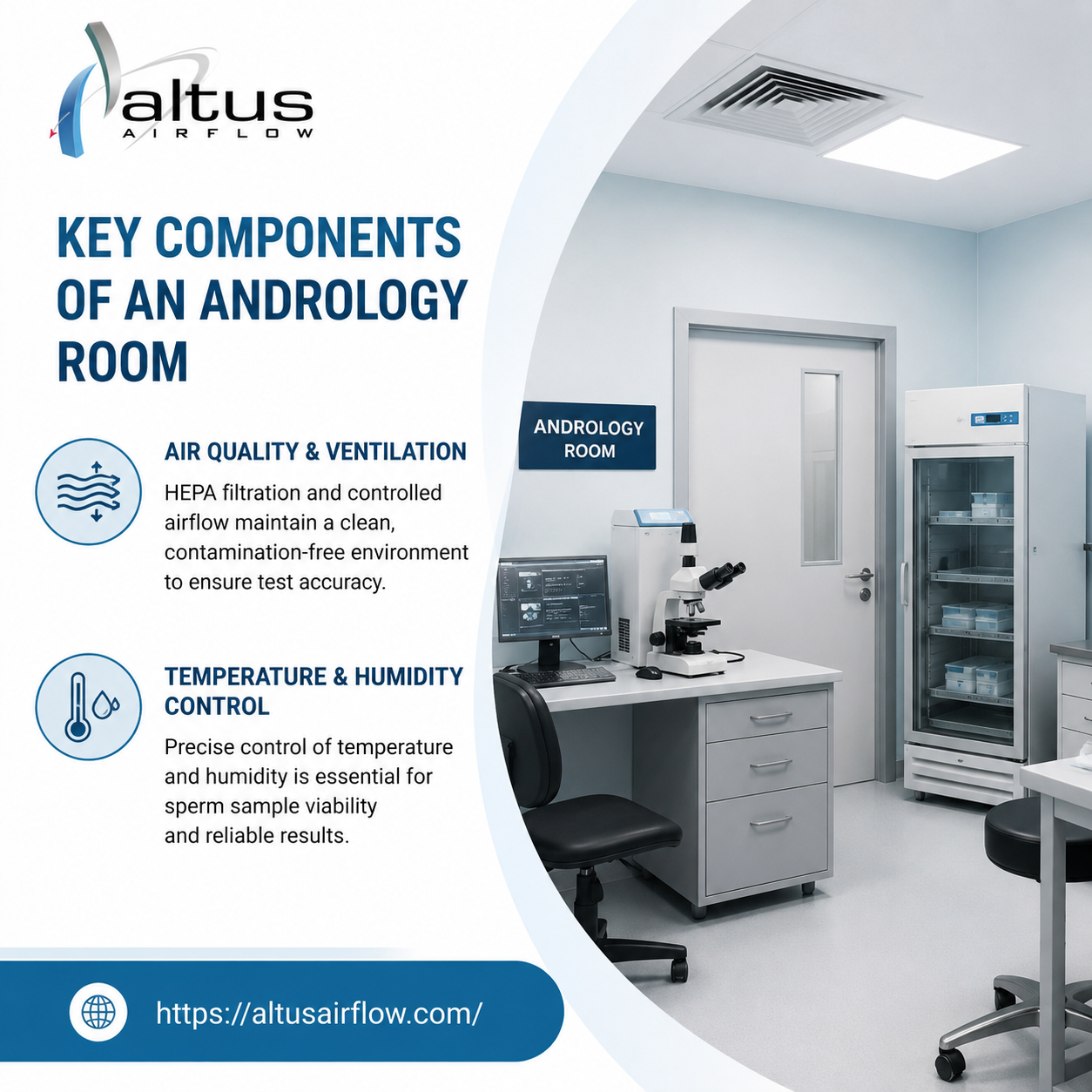
5. Superior Airflow Management
Air quality is critical in andrology labs. Modular systems provide:
HEPA filtration
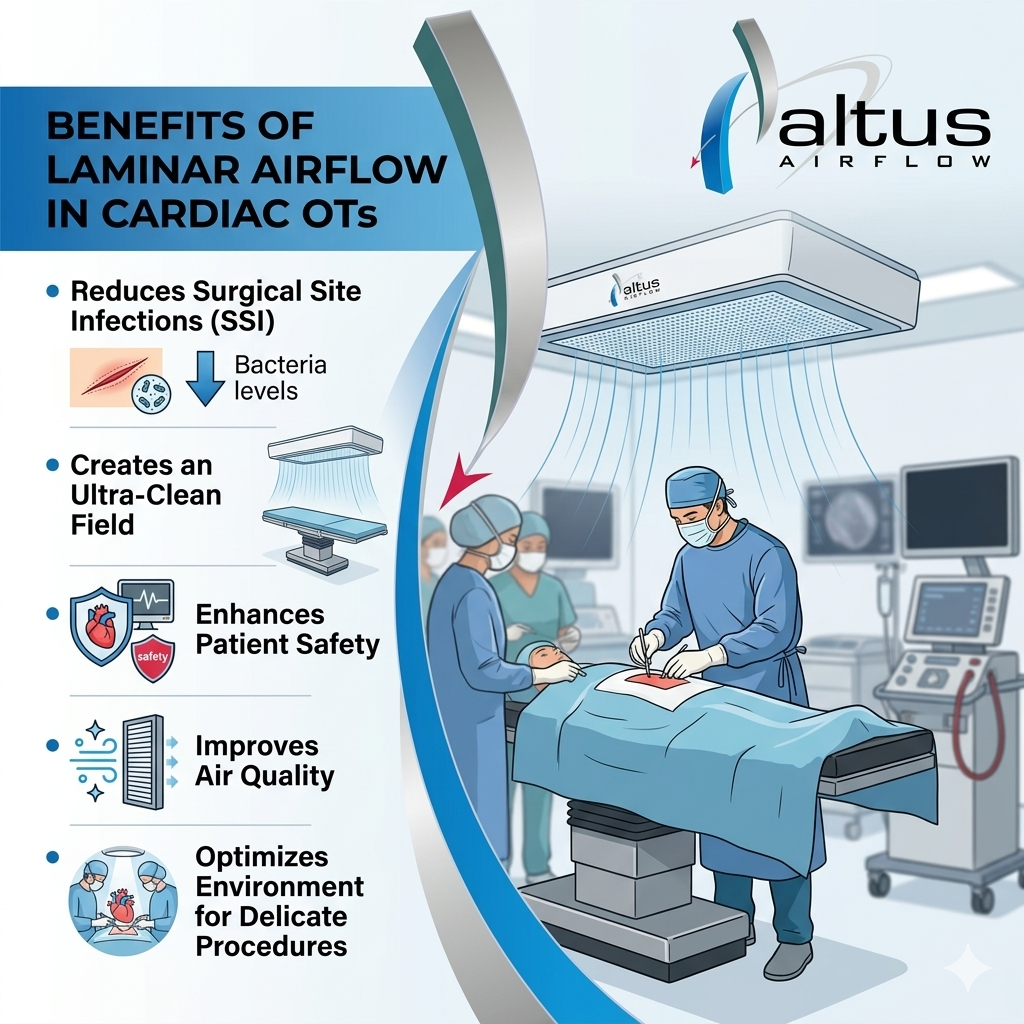
Laminar airflow
Positive pressure environments
These features ensure consistent and controlled conditions.
6. Easy Maintenance and Cleaning
Modular components are designed for:
Quick cleaning
Easy replacement
Minimal downtime
This helps maintain hygiene standards without interrupting operations.
7. Cost-Effectiveness
While initial investment may be higher, modular design offers long-term savings through:
Reduced maintenance costs
Energy efficiency
Lower repair expenses
8. Scalability and Future Expansion
Modular labs can be easily expanded or modified as needs change, making them a future-proof solution.
9. Compliance with Standards
A modular Andrology Room Design ensures adherence to:
ISO cleanroom standards
WHO guidelines
Local regulatory requirements
10. Enhanced Aesthetic and Professional Appeal
Modern modular labs have a clean and professional appearance, improving:
Patient confidence
Staff morale
Overall facility image
Components That Support Modular Design Benefits
1. Wall and Ceiling Panels
Seamless panels improve hygiene and durability.
2. HVAC Systems
Advanced systems maintain air quality and environmental stability.
3. Lighting Systems
Efficient lighting enhances visibility and reduces energy consumption.
4. Flooring
Anti-static and seamless flooring ensures safety and easy cleaning.
Challenges in Modular Andrology Room Design
1. Initial Investment
High-quality modular systems may require a higher upfront cost.
2. Technical Expertise
Designing and installing modular labs requires specialized knowledge.
3. Customization Limitations
Although flexible, certain structural constraints may limit design options.
Overcoming Challenges
Work with experienced professionals
Plan thoroughly before implementation
Invest in high-quality materials
Focus on long-term benefits
Best Practices for Modular Andrology Lab Design
Optimize layout for workflow efficiency
Use durable and hygienic materials
Ensure proper airflow design
Integrate advanced technology
Provide staff training
Future Trends in Modular Andrology Room Design
1. Smart Monitoring Systems
Real-time tracking of temperature, humidity, and air quality.
2. Energy-Efficient Solutions
Sustainable designs that reduce operational costs.
3. Automation
Automated systems for sample handling and analysis.
4. Digital Integration
Advanced software for lab management and data tracking.
Why Modular Design Is the Future
Modular design is becoming the preferred choice for modern laboratories because it combines efficiency, flexibility, and compliance. It allows healthcare providers to:
Deliver better patient care
Improve diagnostic accuracy
Adapt to evolving technologies
Conclusion
Modular andrology room design offers numerous benefits, from enhanced infection control to improved workflow efficiency and scalability. It represents a modern approach to laboratory construction that meets the demands of today’s healthcare environment.
With expertise in cleanroom solutions and advanced laboratory infrastructure, Altus Airflow provides innovative modular designs tailored to specific needs. By choosing Altus Airflow, healthcare facilities can ensure high-performance labs that are efficient, compliant, and future-ready.
FAQs
1. What are the benefits of Andrology Room Design?
The benefits of Andrology Room Design include improved infection control, better airflow management, enhanced workflow, and compliance with medical standards.
2. Is modular design better than traditional labs?
Yes, it offers flexibility, faster installation, and easier maintenance.
3. How does modular design improve hygiene?
Through seamless surfaces and controlled airflow systems.
4. Can modular labs be expanded?
Yes, they are easily scalable and adaptable.
5. Are modular labs cost-effective?
They provide long-term savings despite higher initial costs.
6. What materials are used in modular labs?
Non-porous, durable, and easy-to-clean materials.
Read Our Previous Blog --------------->Can an existing lab be redesigned into an andrology room?

Write a comment ...