
Introduction
In modern healthcare infrastructure, Recovery Rooms Design plays a crucial role in ensuring patient safety and comfort after surgical procedures. A recovery room, also known as a post-anesthesia care unit (PACU), is a specialized area in hospitals where patients are closely monitored as they regain consciousness following surgery or anesthesia. These rooms are designed to provide immediate medical attention, continuous monitoring, and a controlled environment that supports safe recovery.
What is a Recovery Room?
A recovery room is a dedicated medical space where patients are observed immediately after undergoing surgery or receiving anesthesia. The primary goal is to monitor vital signs, manage pain, and detect any complications at an early stage.
Patients typically remain in the recovery room until they:
Regain consciousness
Stabilize vital signs
Respond to medical instructions
Once stable, they are either transferred to a hospital ward or discharged, depending on the procedure.
Purpose of a Recovery Room
Recovery rooms serve several important functions in a healthcare facility:
1. Post-Anesthesia Monitoring
After anesthesia, patients may experience fluctuations in heart rate, blood pressure, and breathing. Continuous monitoring ensures any irregularities are addressed immediately.
2. Pain Management
Medical staff administer medications to manage pain effectively and keep the patient comfortable.
3. Emergency Response
Recovery rooms are equipped to handle emergencies such as respiratory distress or allergic reactions.
4. Safe Transition
They act as an intermediate step between the operation theatre and the general ward, ensuring patients are stable before transfer.
Key Features of a Recovery Room
1. Advanced Monitoring Equipment
Recovery rooms are equipped with devices to track:
Heart rate
Blood pressure
Oxygen saturation
Respiratory rate
These systems provide real-time data for quick medical decisions.
2. Patient Comfort and Safety
Comfortable beds, proper lighting, and noise control contribute to a calming environment that aids recovery.
3. Infection Control Measures
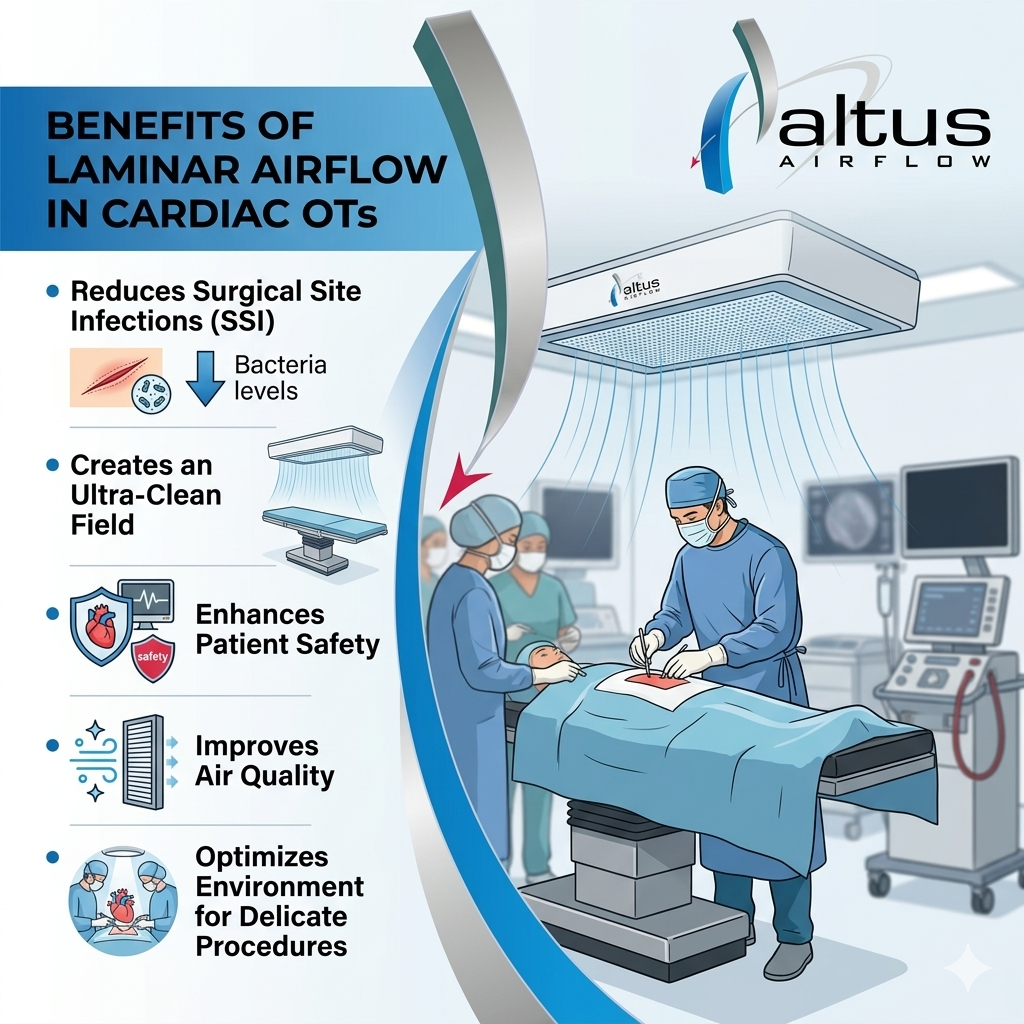
Strict hygiene protocols, antimicrobial surfaces, and proper ventilation reduce the risk of infections.
4. Adequate Space and Layout
Each patient area is designed to allow easy access for medical staff and equipment.
5. Emergency Equipment Availability
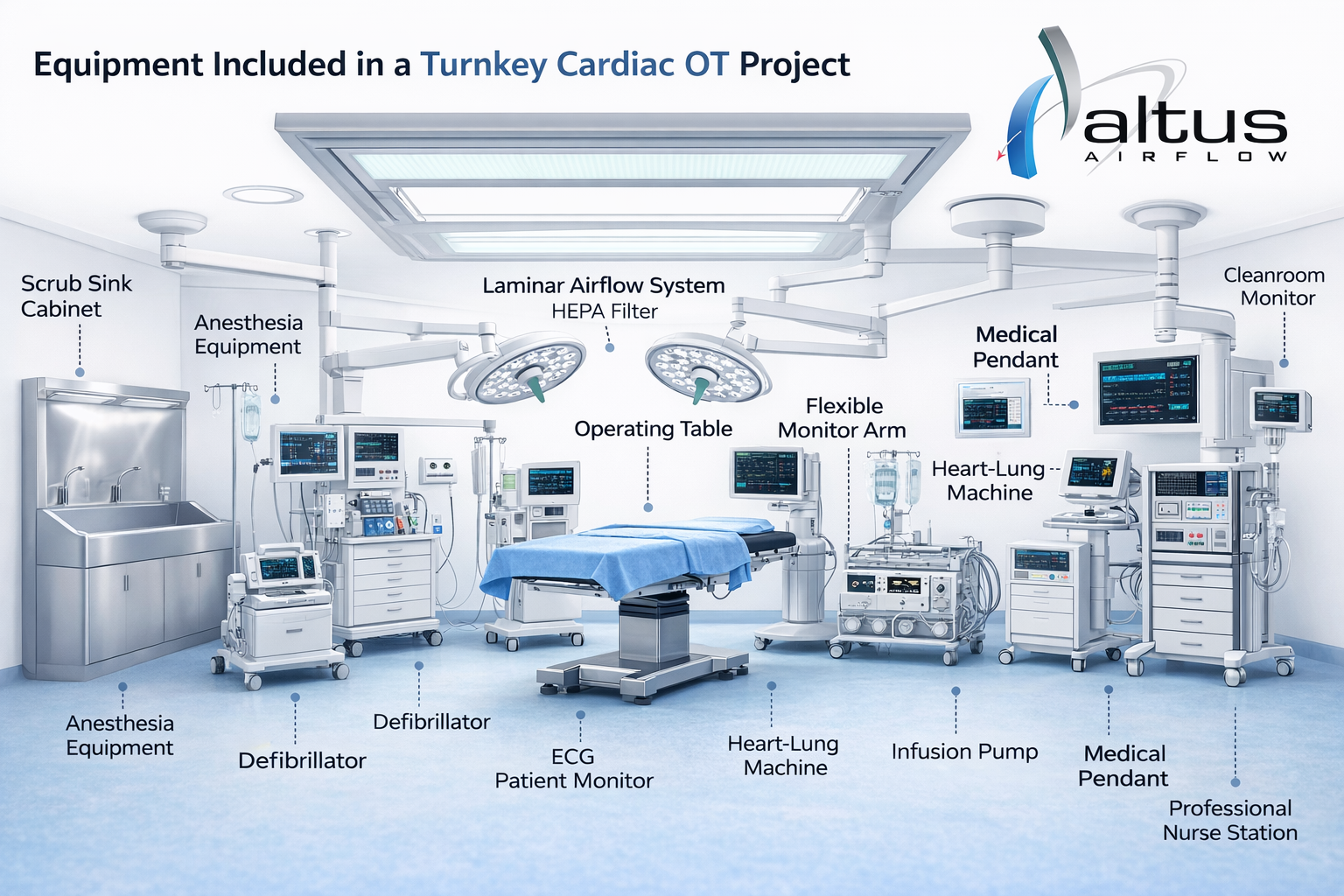
Defibrillators, oxygen supply systems, and suction devices are readily available.
Components of an Efficient Recovery Room
Patient Beds and Stretchers
Adjustable beds ensure patient comfort and ease of monitoring.
Monitoring Systems
Integrated systems provide continuous updates on patient health.
Oxygen and Medical Gas Systems
Essential for patients who need respiratory support.
Nurse Stations
Centralized stations allow staff to monitor multiple patients simultaneously.
Lighting and Electrical Systems
Proper lighting ensures visibility for medical procedures while maintaining patient comfort.
Benefits of Well-Designed Recovery Rooms
1. Improved Patient Outcomes
Continuous monitoring reduces the risk of complications.
2. Faster Recovery
Efficient care and comfort help patients recover more quickly.
3. Enhanced Workflow
Proper layout allows medical staff to work efficiently.
4. Reduced Infection Rates
Controlled environments minimize exposure to contaminants.
5. Better Patient Experience
A calm and organized environment improves overall satisfaction.
Design Considerations for Recovery Rooms
1. Proximity to Operation Theatre
Quick access reduces patient transfer time and risk.
2. Ventilation and Air Quality
Proper airflow systems maintain a clean and controlled environment.
3. Lighting Design
Adjustable lighting helps in both patient comfort and medical procedures.
4. Noise Control
Minimizing noise helps patients recover more comfortably.
5. Space Optimization
Efficient use of space ensures smooth workflow and accessibility.
Role of Technology in Recovery Rooms
Modern recovery rooms integrate advanced technologies such as:
Automated monitoring systems
Digital patient records
Alarm systems for critical conditions
Smart beds with adjustable features
These innovations enhance patient safety and reduce the workload on healthcare professionals.
Importance of Recovery Rooms in Healthcare Facilities
Recovery rooms are a vital part of any hospital because they:
Provide immediate post-operative care
Reduce complications
Improve surgical success rates
Enhance patient safety
Without proper recovery facilities, the risk of post-surgical complications can increase significantly.
Trends in Recovery Room Design
1. Modular Design
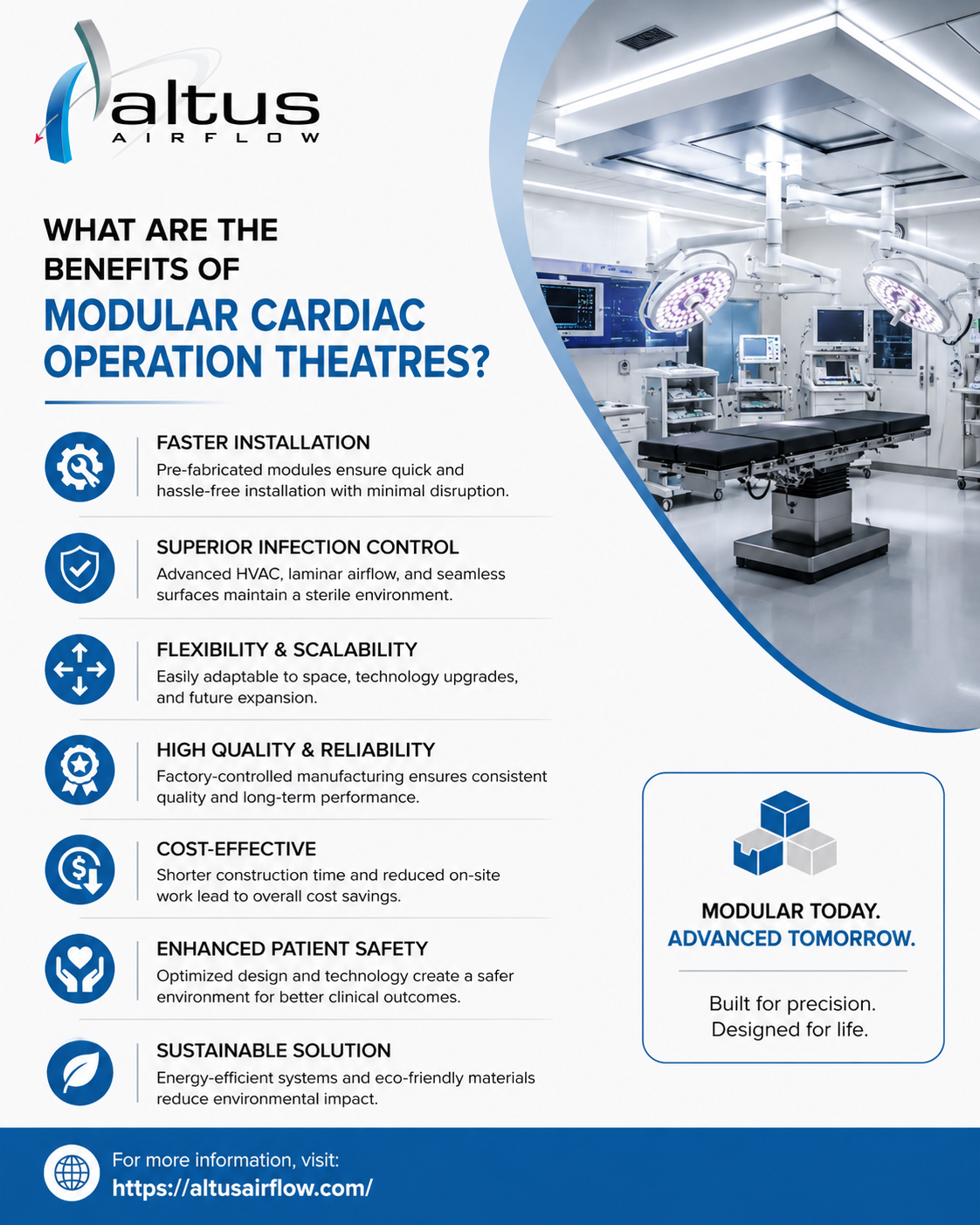
Similar to operation theatres, recovery rooms are now being designed using modular concepts for faster installation and better hygiene.
2. Patient-Centric Approach
Designs focus on comfort, privacy, and reduced stress.
3. Energy Efficiency
Modern systems aim to reduce energy consumption while maintaining performance.
4. Integration with Hospital Systems
Recovery rooms are connected with hospital management systems for seamless data flow.
Choosing the Right Recovery Room Setup
When selecting a recovery room solution, consider:
Quality of materials
Compliance with healthcare standards
Customization options
Maintenance support
Integration capabilities
Working with experienced Recovery Rooms Manufacturers In India ensures that healthcare facilities receive reliable and high-quality solutions tailored to their needs.
Future of Recovery Rooms
The future of recovery rooms lies in:
AI-based patient monitoring
Remote healthcare integration
Smart alarms and predictive analytics
Enhanced infection control technologies
These advancements will further improve patient safety and operational efficiency.
Conclusion
Recovery rooms are an essential component of modern healthcare facilities, ensuring that patients receive immediate and effective care after surgery. Their design, equipment, and functionality directly impact patient safety, recovery speed, and overall hospital efficiency.
Altus Airflow continues to support healthcare institutions with innovative solutions that meet evolving medical standards. By focusing on quality, precision, and advanced technology, Altus Airflow helps create recovery room environments that prioritize patient care and operational excellence.
FAQs
1. What is Recovery Rooms Manufacturers ?
Recovery Rooms Manufacturers In India refers to the planning and development of post-operative care spaces that ensure patient safety, comfort, and efficient monitoring after surgery.
2. How long do patients stay in a recovery room?
Patients typically stay for a few hours until their vital signs stabilize.
3. What equipment is used in a recovery room?
Common equipment includes monitors, oxygen supply systems, defibrillators, and suction devices.
4. Are recovery rooms necessary in all hospitals?
Yes, they are essential for safe post-operative care in any surgical facility.
5. Can recovery rooms handle emergencies?
Yes, they are equipped to manage immediate post-surgical emergencies.
Read Our Previous Blog ---------------> What is a Modular Operation Theatre (OT)?

Write a comment ...